

The Genesis of Postural Restoration
Postural Restoration is a holistic physiotherapy approach that originated in the United States towards the end of the last century. The founder observed recurring patterns of bodily asymmetry leading to chronic pain—issues often unaddressed by traditional physical therapy. To combat this, a unique system of exercises and manual techniques was developed to correct postural imbalances
The Science Behind the Method
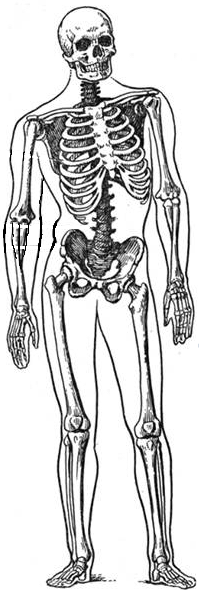
Postural Restoration emphasizes the interconnectedness of the body’s various components—ribcage, neck, back, hip, knee, and foot. The method aims to harmonize these elements, allowing for a balanced shift of gravity from right to left without bodily compensation. Misaligned bones result in poor posture, muscular imbalances, and a host of issues such as:
- Chronic back pain radiating to the leg, arm, or shoulder blade
- Persistent headaches and dizziness
- Chronic fatigue
- Pain syndromes like piriformis syndrome
- Certain types of scoliosis
- Breathing difficulties
The primary objective is to realign bones to restore natural motion and function.
A Multidisciplinary Approach
Restoring lost posture is a holistic endeavor, integrating knowledge from disciplines like physiotherapy, dentistry, optometry, and podiatry. The main goal is to eliminate pathological asymmetry. Tools used to achieve this include:
- Specialized exercises aimed at retraining your posture and repositioning the pelvis and ribcage
- Manual techniques to restore ribcage and pelvis symmetry
- In specific cases, the integration of optometry, special lenses, dentistry, and podiatry may be necessary.