What is an asymmetry ?
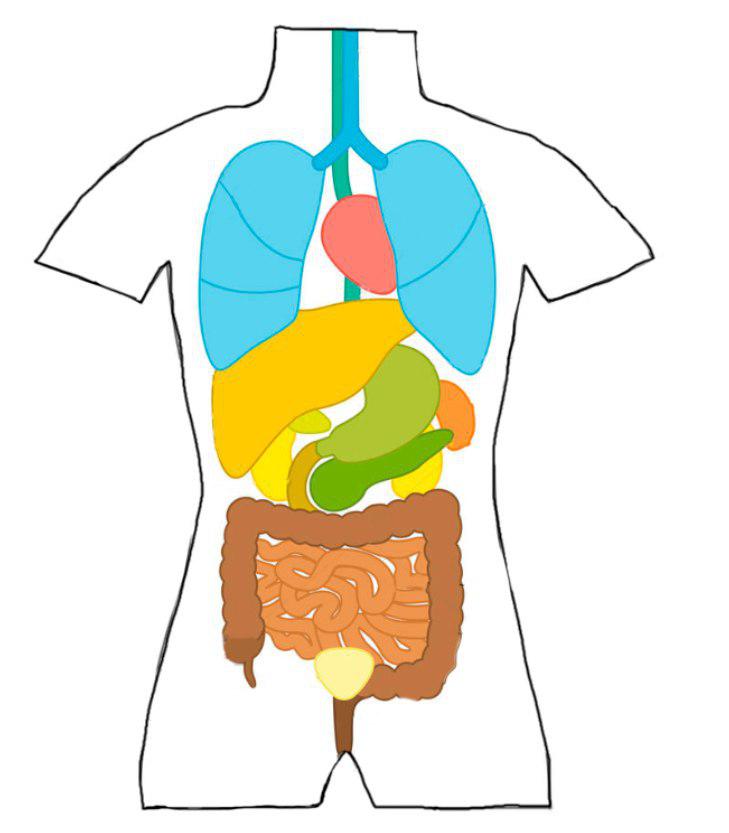
Think about it, our body is naturally build asymmetrically, it means left and righ sides are not the same. Inside there are very asymmetric structures: the brain, the cardiovascular system, and most importantly – internal organs.
The left hemisphere of the brain has better control over the right part of the body (due to more motor centers) than the right hemisphere – over the left part of the body. This increases our ability to be right-dominant.
Internal organs are placed in such way that they are slighlty shifting the center of gravity to the right side: the liver is on the right; right hemisphere of the diaphragm larger than the left; we have three lobes of the lungs to the right, and only two – on the left side.
Even being naturally unequal from both sides, our body is still capable of maintaining a balance without making trouble to our posture. However, natural asymmetry, due to harmful motor habits, has the ability to turn into “pathological” asymmetry. Here is where problems begin.
One of our main activities is walking. During the day we make from 3000 to 7000 steps. In half of these steps
we pushing off from the right foot, reaching simultaneously with the right hand to the front. We are programmed in such way.
And now pay attention to how we have to function in our world. Coffee machines, ATMs, professional accessories, household ergonomics – all this simply makes us more often reach our right hand and, accordingly being on the right stance.
The same rules apply to the seating. For example, by the computer, we reaching our right hand to the mouse, and in the car – the right hand to the gearbox.We read from left to the right. We are too much right-side domitating
By stimulating excessively the right side, our habits of standing and moving also changing and adapt: the body begins to bend on the right side. We start to stand on the right leg more often.

As a result, pathological asymmetry is formed in our body: we losing the natural gait, we losing the natural posture, the axis of the body is displaced. As a result, there are expected changes in the body, weak areas, instability, overstretch / over-strained muscle groups. Signals of such changes are pain syndromes in legs, knees, femoral joints, sacrum joints, back, shoulders, neck, head.